
La Posta Astro-Geophysical Observatory

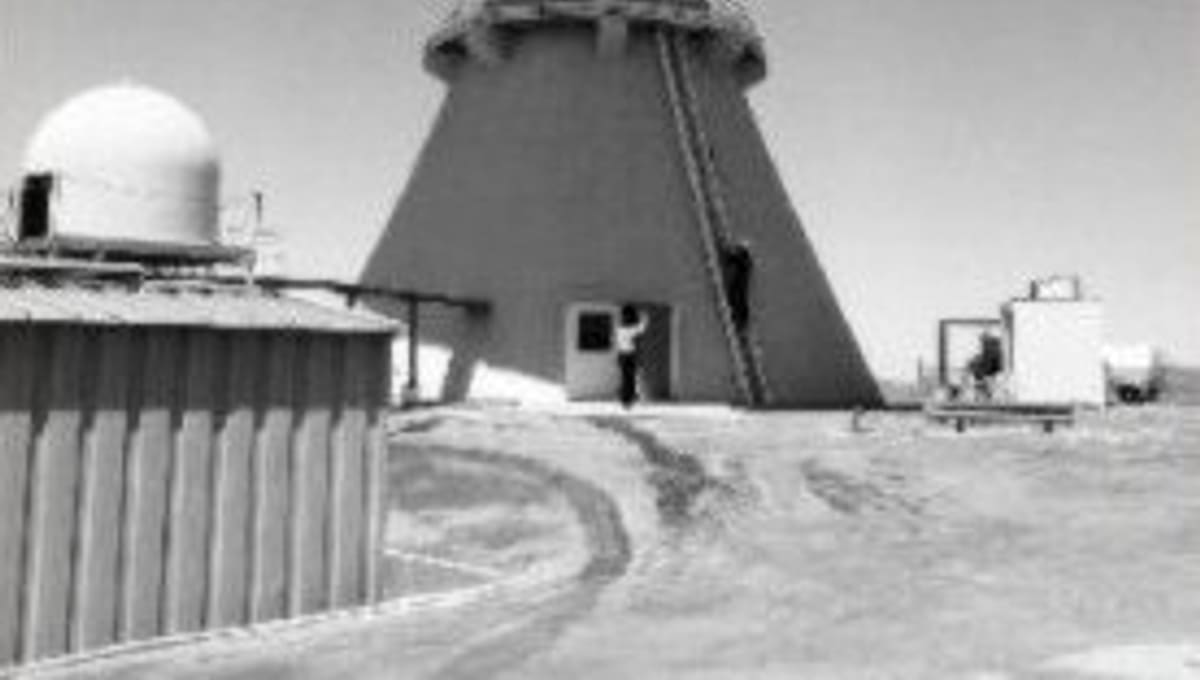
Image: Wikimedia Commons
The La Posta Astro-Geophysical Observatory once stood in California's Laguna Mountains, a Cold War-era radio telescope that helped track everything from solar activity to the reliability of radio signals during the Apollo missions, though today the site is gone.
About La Posta Astro-Geophysical Observatory
Built by the Navy Electronics Laboratory, the observatory was centred on a 60-foot-diameter radio telescope near Campo, California, about 65 miles (105 kilometres) east of San Diego, at an elevation of roughly 3,900 feet (1,200 metres).
History
Construction began in 1964. The observatory was decommissioned in 1986 and the instrument was ultimately dismantled in November 2015; the site is now part of a Naval Weapons Training Facility.
Telescopes & research
While active, La Posta's radio telescope was used for solar radio mapping and environmental disturbance studies, including work with a solar optical videometer for microwave research. It also supported propagation and ionospheric forecasting during the Apollo space missions.
Location & getting there
The former observatory site lies in the Laguna Mountains near Campo, California, east of San Diego. As the site is now part of a Naval Weapons Training Facility, it is not accessible to the public.
Visiting La Posta Astro-Geophysical Observatory
The observatory itself no longer exists, it was dismantled in 2015 and its former site is now restricted military land. There is no public visiting programme.
See your named star from here
Though this particular telescope is gone, the region's mountains still see clear night skies, and a star named through Star Register can be found from anywhere with the right coordinates in hand. Name a star, or browse the catalogue.
Opening hours and public-visit programs vary by season. Check Google Maps for current times before you travel.
Institutional and reference sources used to verify this guide.
Satellite imagery: Esri, Maxar, Earthstar Geographics

 84 km
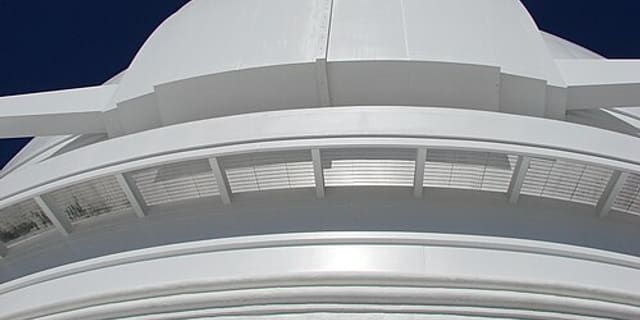
84 kmOscar G. Mayer Memorial Building
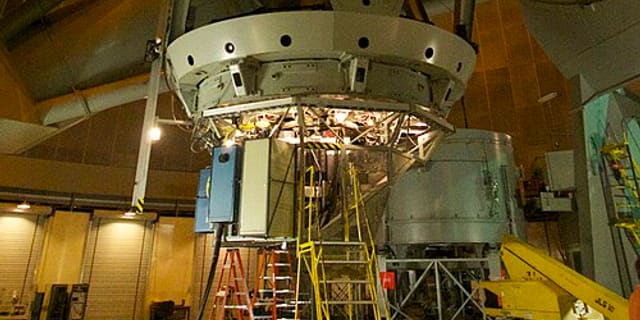
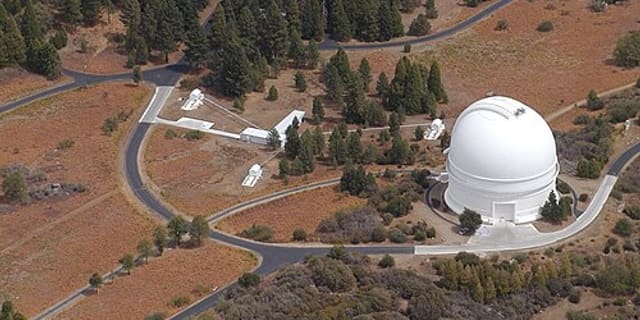
building housing a 60-inch telescope for the Palomar Mountain Observatory

 85 kmSpace
Palomar Mountain-DSS
The Digitized Sky Survey (DSS) is a digitized version of several photographic astronomical surveys of the night sky, produced by the Space Telescope S

 85 km
85 km