
Koenigsberg Observatory

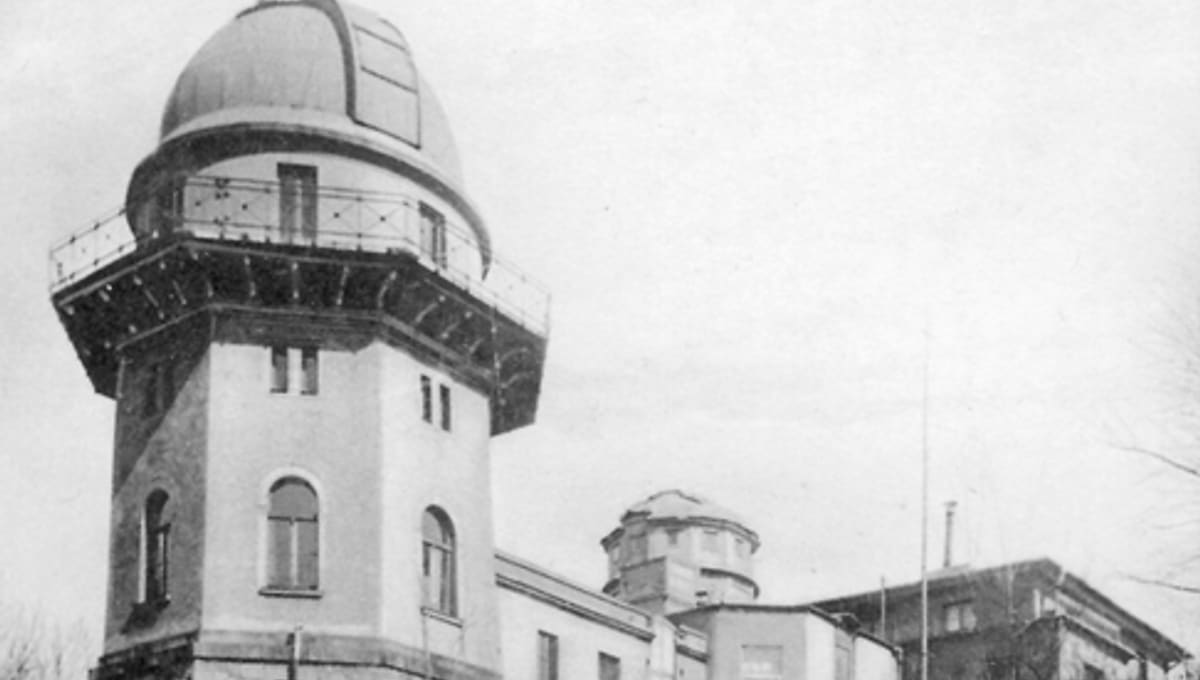
Image: Wikimedia Commons
Koenigsberg Observatory (Sternwarte Königsberg) was an astronomical research facility attached to the Albertina University in Königsberg, the city now known as Kaliningrad, Russia.
About Koenigsberg Observatory
The observatory carried the Minor Planet Center observatory code 058 and operated as a working research institute of the Albertina University for well over a century.
History
Founded in 1810, the observatory owed its creation to the astronomer Friedrich Wilhelm Bessel, appointed director in January 1810 at just 25 years old by King Frederick William III. Construction ran from 1810 to 1813. The original instruments included a 2-inch Cary circle, a 2.7-inch Dollond meridian/transit telescope, a comet seeker, an equatorial telescope, and a pendulum clock. The observatory was destroyed by Royal Air Force bombs in August 1944 during the Second World War; only the reduit, the interior of the building, survived.
Location & getting there
The site stood in Königsberg, which became part of the Soviet Union after the war and is today the Russian city of Kaliningrad. The surviving semicircular, two-storey brick-vaulted building is now recognised as a regional architectural monument.
See your named star from here
Bessel's work at Koenigsberg helped pin down the precise positions of stars in the sky, the same kind of coordinates that come with every named star from Star Register. Browse the star catalogue to find yours.
Opening hours and public-visit programs vary by season. Check Google Maps for current times before you travel.
Institutional and reference sources used to verify this guide.
Satellite imagery: Esri, Maxar, Earthstar Geographics

 250 km
Astronomic Observatory in Włocławek
observatory on the roof of block of flats at 16 Fredry Street in Włocławek.

 308 kmResearch