
Isle of May Bird Observatory

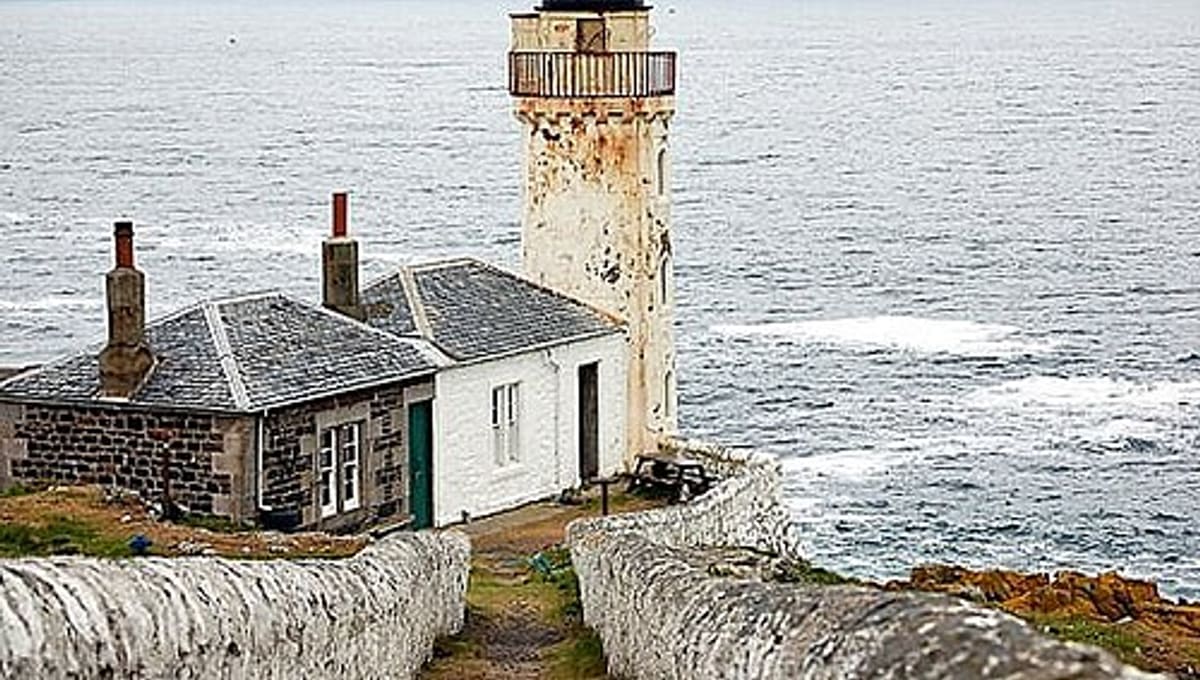
Image: Wikimedia Commons
Perched on a remote island off the Fife coast, the Isle of May Bird Observatory is one of the oldest bird observatories in Britain, watching over the migration routes that cross this stretch of the North Sea.
About Isle of May Bird Observatory
The observatory was founded in 1934 by a group of young Scottish ornithologists, including George Waterston and Donald Watson, making it Scotland's oldest bird observatory and Britain's second-oldest after Skokholm Island in Wales. It now operates under the British Trust for Ornithology's original auspices and is administered today by the Isle of May Bird Observatory and Field Station Trust.
History
The observatory closed in autumn 1938 as the Second World War approached, then reopened on 13 April 1946. It has been run ever since by volunteer observers who staff the island seasonally.
Bird migration research
From March to November, visiting volunteers carry out daily bird census work and ringing to track migration through the island, a key stopover point on the East Atlantic flyway.
Location & getting there
The Isle of May sits in the Firth of Forth off the coast of Fife, Scotland, United Kingdom — reachable only by boat, which keeps its skies as dark and undisturbed as its bird colonies.
Visiting Isle of May Bird Observatory
Access is by boat trip from the Fife or East Lothian coast, and the observatory itself is staffed by volunteers between March and November; check the observatory's website for current sailing and stay arrangements before planning a trip.
See your named star from here
The Isle of May's isolation makes for very dark night skies once the day-trippers and boats have gone. If you have named a star with Star Register, you can find its coordinates from anywhere, including a remote island like this one, using our app — browse star-naming packages or the catalogue to get started.
Opening hours and public-visit programs vary by season. Check the official website and Google Maps for current times before you travel.
Institutional and reference sources used to verify this guide.
Satellite imagery: Esri, Maxar, Earthstar Geographics

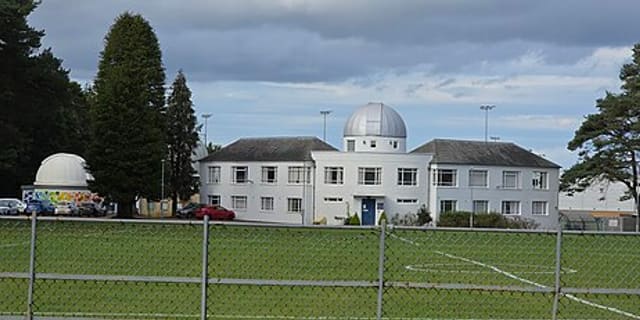 23 km
23 km
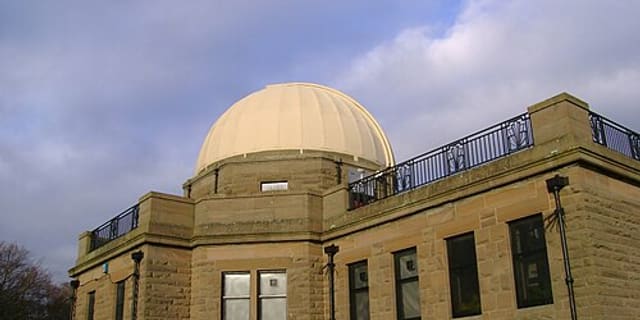 42 kmMuseum
 47 km
47 km