
Iqaluit Magnetic Observatory
Satellite imagery: Esri, Maxar, Earthstar Geographics
The Iqaluit Magnetic Observatory in Nunavut, Canada monitors small changes in Earth's magnetic field from a site built through a partnership between Natural Resources Canada and Arctic College.
About Iqaluit Magnetic Observatory
First proposed in the mid-1980s, the observatory took shape once a formal Memorandum of Understanding was signed with Natural Resources Canada and Arctic College in March 1994. The buildings that summer were constructed by apprentice carpenters from Arctic College, giving the project a strong local, hands-on foundation.
History
A CANMOS magnetometer was installed in October 1994, and regular geomagnetic data collection began in January 1995. The observatory is part of INTERMAGNET, the international network of standardised magnetic observatories that shares real-time and archival data worldwide.
Location & getting there
The observatory sits in Iqaluit, Nunavut, in Canada's far north, a region known for auroral activity and its position within Earth's magnetic environment near the geomagnetic pole.
Visiting Iqaluit Magnetic Observatory
As a scientific monitoring station rather than a public tourist attraction, the observatory is best appreciated from a distance; check with Natural Resources Canada's geomagnetism programme for any visitor information before travelling.
See your named star from here
Nunavut's northern latitude and long dark winters make it a striking place to look up, and staff at astronomy-equipped sites in the region can point a telescope to the exact coordinates of your named star. Check your star's position in the catalogue.
Opening hours and public-visit programs vary by season. Check Google Maps for current times before you travel.
Institutional and reference sources used to verify this guide.
Satellite imagery: Esri, Maxar, Earthstar Geographics

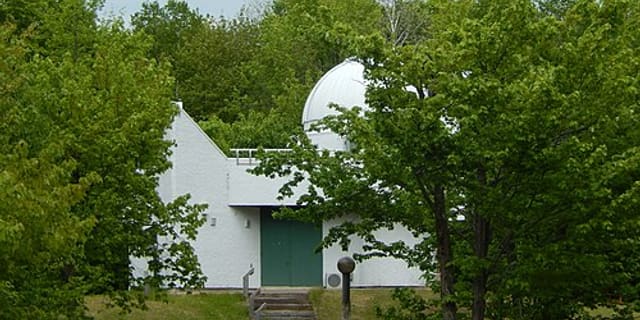 1,936 km
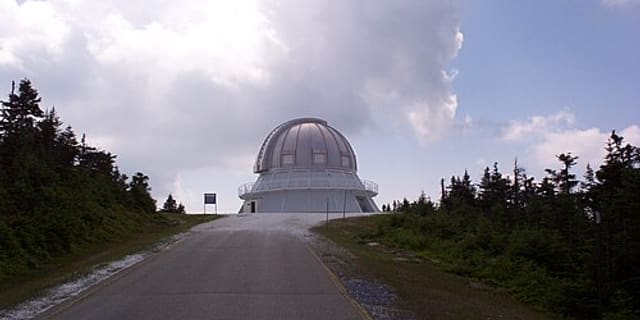 2,041 km
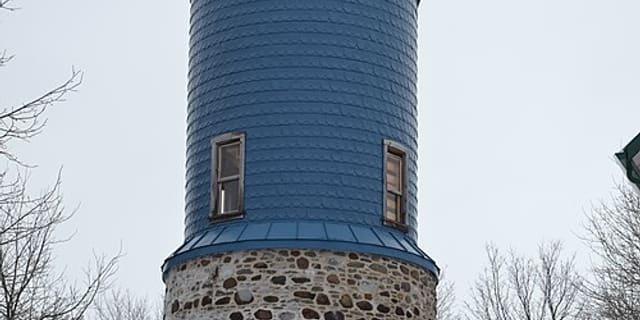 2,063 km
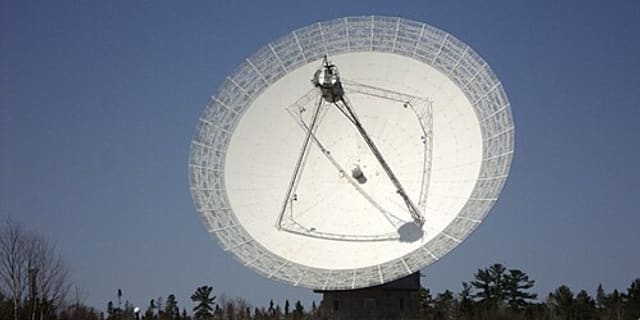 2,066 kmRadio