
Herstmonceux Science Centre

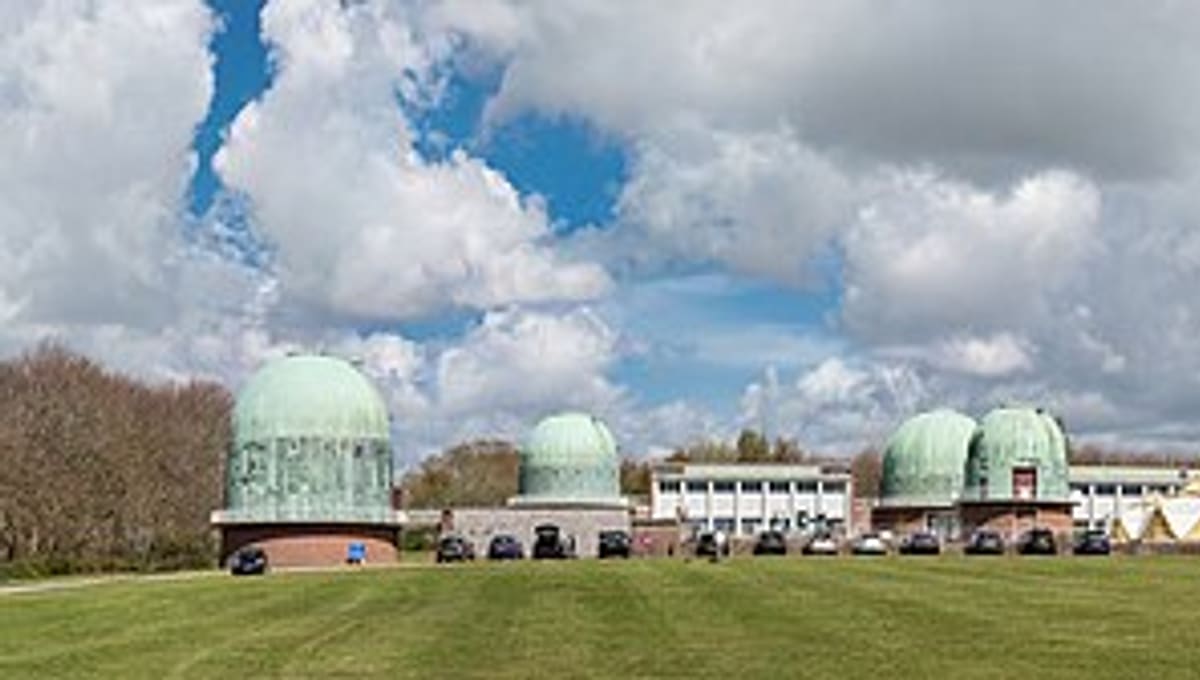
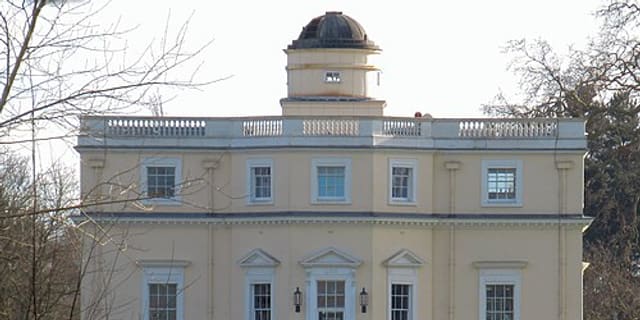
Image: Wikimedia Commons
Herstmonceux Science Centre stands on the grounds of Herstmonceux Castle in East Sussex, England, on a site that was once home to the Royal Greenwich Observatory.
About Herstmonceux Science Centre
The complex began life as the Royal Greenwich Observatory, Herstmonceux, after the observatory relocated from London in 1948 to escape the capital's atmospheric and light pollution. Today the site operates as the Observatory Science Centre, a hands-on science museum with more than 100 exhibits, run under NERC. It draws roughly 60,000 visitors a year.
History
The Royal Greenwich Observatory moved its operations to Herstmonceux Castle in 1948, with construction of the new domes completed by 1957. It continued astronomical work here until 1990. The observatory's most famous instrument, the Isaac Newton Telescope, a 98-inch reflector, was inaugurated by Queen Elizabeth II in December 1967 before later moving to La Palma in the Canary Islands in 1979. The site reopened to the public as a science museum in 1995.
Location & getting there
Herstmonceux Science Centre is in East Sussex, in the southeast of England, on the historic castle estate that gives it its name. The rural Sussex countryside setting, well outside London, made it an attractive escape from the light pollution that had troubled the observatory's original Greenwich site.
Visiting Herstmonceux Science Centre
The site operates today as a public science museum with over 100 interactive exhibits across the former observatory domes and grounds. With around 60,000 visitors a year, it is a well-established family attraction; check the current website or Google listing for opening times and ticket prices before you travel.
See your named star from here
Few places connect you to the history of British astronomy quite like the domes at Herstmonceux. If you've named a star with Star Register, you'll have its exact coordinates on your certificate, and a place with this much observing heritage is a fitting backdrop for locating it. Search the star catalogue to look up your named star.
Opening hours and public-visit programs vary by season. Check Google Maps for current times before you travel.
Institutional and reference sources used to verify this guide.
Satellite imagery: Esri, Maxar, Earthstar Geographics

 31 km
31 km
 72 kmMuseum
 81 km
81 km
 81 km
81 kmKew Observatory
Grade I listed architectural structure in London Borough of Richmond upon Thames, United Kingdom