
Helsinki University Observatory

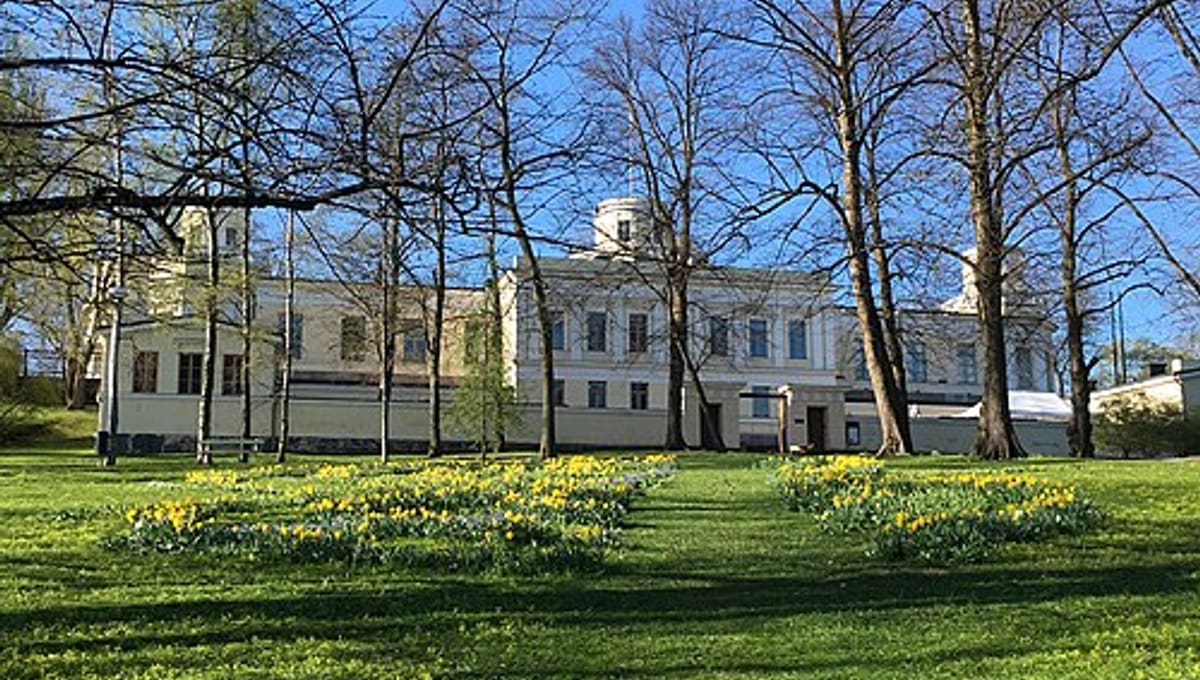
Image: Wikimedia Commons
On Tähtitorninmäki Hill overlooking central Helsinki, Finland, Helsinki University Observatory has watched over the city's skyline since 1834, first as a working research observatory and today as a museum devoted to that history.
About Helsinki University Observatory
The observatory was designed by architect Carl Ludvig Engel together with professor Friedrich Wilhelm Argelander, and its instruments were transferred to Helsinki after a fire destroyed the previous observatory in Turku in 1827.
History
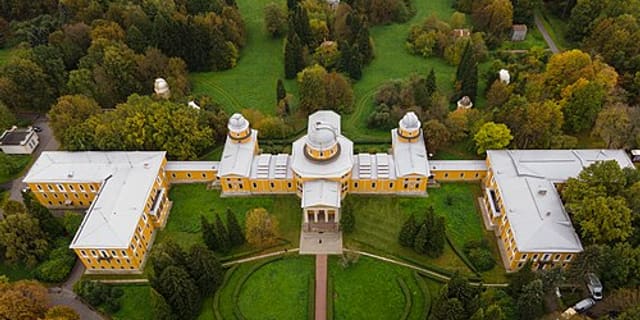
Founded in 1834, the observatory sits at an elevation of 28 metres above sea level and became influential enough in its design that it served as a model for other European observatories, including Pulkovo Observatory in Russia. It housed the University of Helsinki's Department of Astronomy until the end of 2009.
Telescopes & research
Since 2009, the building has operated as an astronomy-themed visitor centre and museum, telling the story of over a century and a half of astronomical research carried out on the hill.
Location & getting there
Tähtitorninmäki Hill sits right in the heart of Helsinki, close to the city's harbour and Kaivopuisto park, making the observatory an easy stop for anyone exploring the Finnish capital on foot.
Visiting Helsinki University Observatory
The site is now run as a public visitor centre; for current opening hours and programme details, it's best to check directly with the operating organisation before visiting.
See your named star from here
Few observatories anywhere have shaped European astronomy quite like this one. Standing where two centuries of stargazers have looked up is a fitting moment to check the coordinates of your own named star in our star catalogue.
Opening hours and public-visit programs vary by season. Check the official website and Google Maps for current times before you travel.
Institutional and reference sources used to verify this guide.
Satellite imagery: Esri, Maxar, Earthstar Geographics

 153 km
 302 km
 340 kmRadio
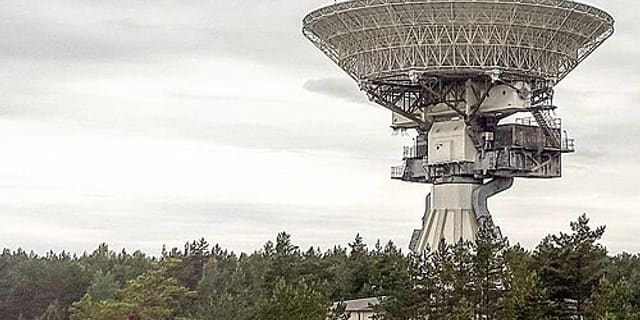
Ventspils International Radio Astronomy Center
radio astronomy institute and installation in Latvia