
Gotha Observatory

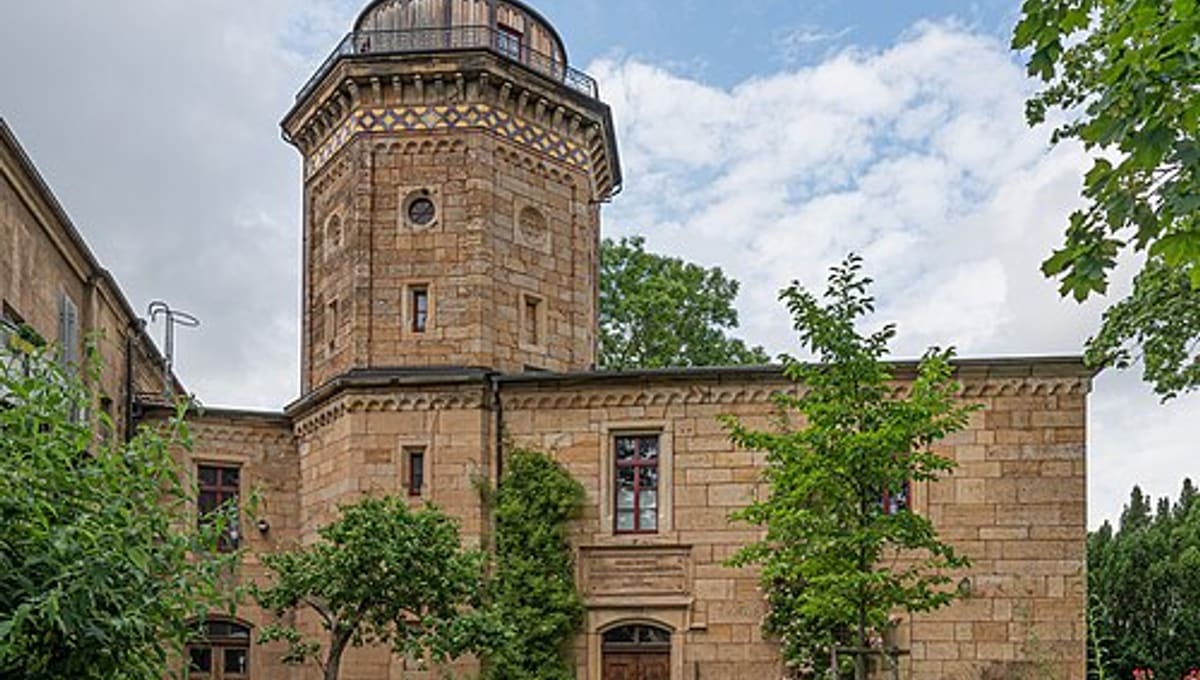
Image: Wikimedia Commons
Gotha Observatory was once one of the most important centers of astronomical research in Europe, founded on the Seeberg hill near Gotha, in the German state of Thuringia.
About Gotha Observatory
Gotha Observatory is a former observatory in Thuringia, Germany. Planning for the original observatory began in 1787, led by the court astronomer Baron Franz Xaver von Zach and financed by Ernest II, Duke of Saxe-Gotha-Altenburg. It was dedicated to astrometry, geodetic and meteorological observation, and precise timekeeping.
History
In 1798, von Zach organized the first international scientific astronomical congress at the observatory, bringing together seventeen astronomers from across Europe. That meeting led to the founding of the Vereinigte Astronomische Gesellschaft in 1800 and to the coordinated search that discovered the first four asteroids. A new observatory building was later erected in the town itself, at Jägerstrasse 7, with a dwelling completed in 1857 and the observatory following in 1859. The site remained active until it closed in 1934.
Location & getting there
Gotha Observatory is located in Thuringia, in central Germany, on and around the Seeberg hill near the town of Gotha.
Visiting Gotha Observatory
As a former, no-longer-operating observatory, current public access is not documented; anyone interested in visiting the historic site or its surviving buildings should check locally before travelling.
See your named star from here
Two centuries after von Zach's congress helped coordinate the search for the first asteroids, Thuringia's skies could still be used to find the exact coordinates of a star named through Star Register. Name a star or browse the catalogue.
Opening hours and public-visit programs vary by season. Check Google Maps for current times before you travel.
Institutional and reference sources used to verify this guide.
Satellite imagery: Esri, Maxar, Earthstar Geographics

 70 km
70 km
 83 kmPublic
 84 km
84 km