
Glasgow observatory

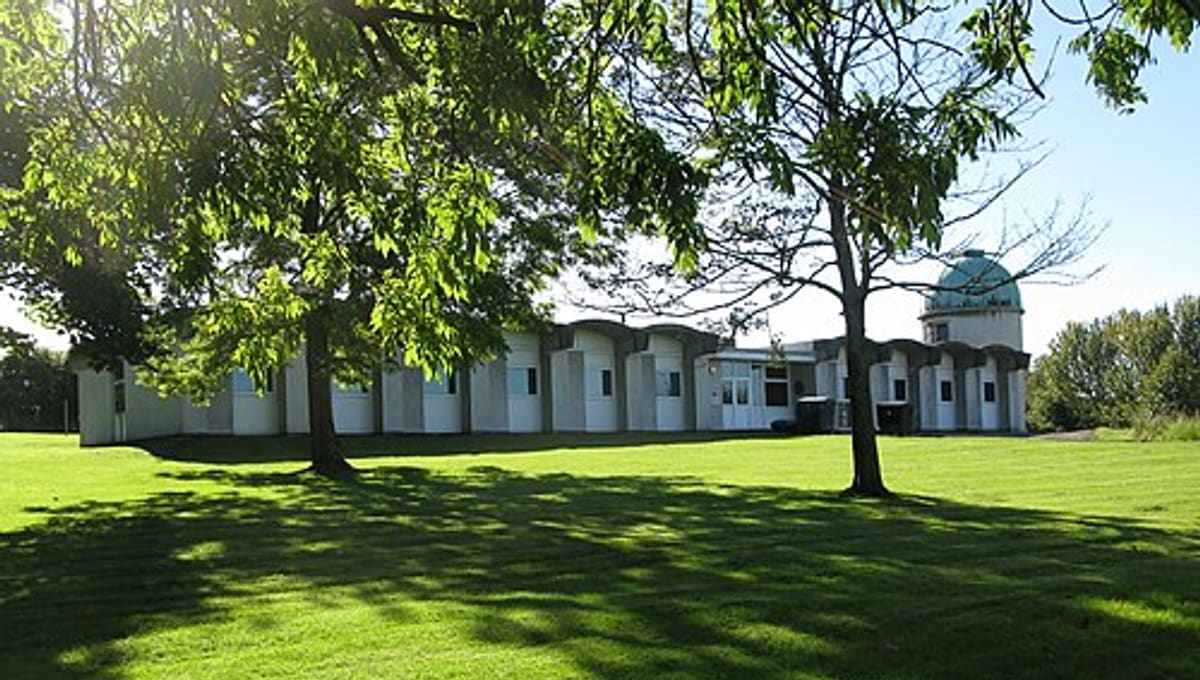
Image: Wikimedia Commons
Glasgow observatory, run by the University of Glasgow, traces its roots to 1757, when the Macfarlane Observatory became Britain's first purpose-built university observatory.
About Glasgow observatory
The University of Glasgow's observatory has its origins in the Macfarlane Observatory, founded in 1757 and named after Alexander Macfarlane, a Scottish merchant and astronomer from Kingston, Jamaica, who endowed it. It holds the distinction of being the first purpose-built university observatory in Britain. Today the university's main observing facility stands on Acre Road, near the Garscube Estate in Maryhill, Glasgow.
History
Founded in 1757, the Macfarlane Observatory set the template for university-run astronomical observing in Britain. Glasgow's astronomical tradition has continued since, with the university maintaining an active observatory to this day. The city is also home to the Astronomical Society of Glasgow, an amateur society founded in 1954 that runs its own observatory at Mugdock.
Telescopes & research
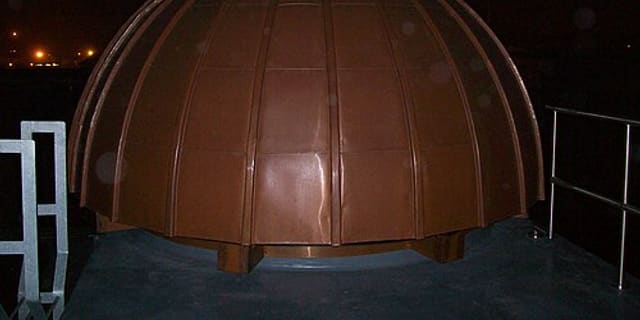
The university's main dome houses a 16-inch Dall-Kirkham telescope on a Paramount ME mount, alongside a dedicated solar dome with a 14-inch Meade telescope and a transit house containing a transit telescope. The site also includes teaching labs, a workshop, and a small planetarium. A further outstation at Cochno, in the Kilpatrick Hills outside the city, houses a 20-inch Grubb Parsons telescope for observing away from Glasgow's light pollution.
Location & getting there
The main observatory sits on Acre Road near the Garscube Estate in Maryhill, on the edge of Glasgow, Scotland. The Cochno outstation, used for darker-sky observing, lies further out in the Kilpatrick Hills.
Visiting Glasgow observatory
The University of Glasgow's observatory runs telescope viewing programmes and educational astronomy sessions as part of its public outreach. Check the university's astronomy department for current opening times and event schedules before visiting.
See your named star from here
From the 16-inch telescope on Acre Road to the 20-inch Grubb Parsons instrument at Cochno, Glasgow's observatories are built to point precisely at the sky, exactly what's needed to find a star named through Star Register. Name a star or browse the catalogue to see stars already named.
Opening hours and public-visit programs vary by season. Check Google Maps for current times before you travel.
Institutional and reference sources used to verify this guide.
Satellite imagery: Esri, Maxar, Earthstar Geographics

 21 kmPublic
 69 kmMuseum
 70 km
70 km
 70 km
70 km