
Daya Bay Reactor Neutrino Experiment

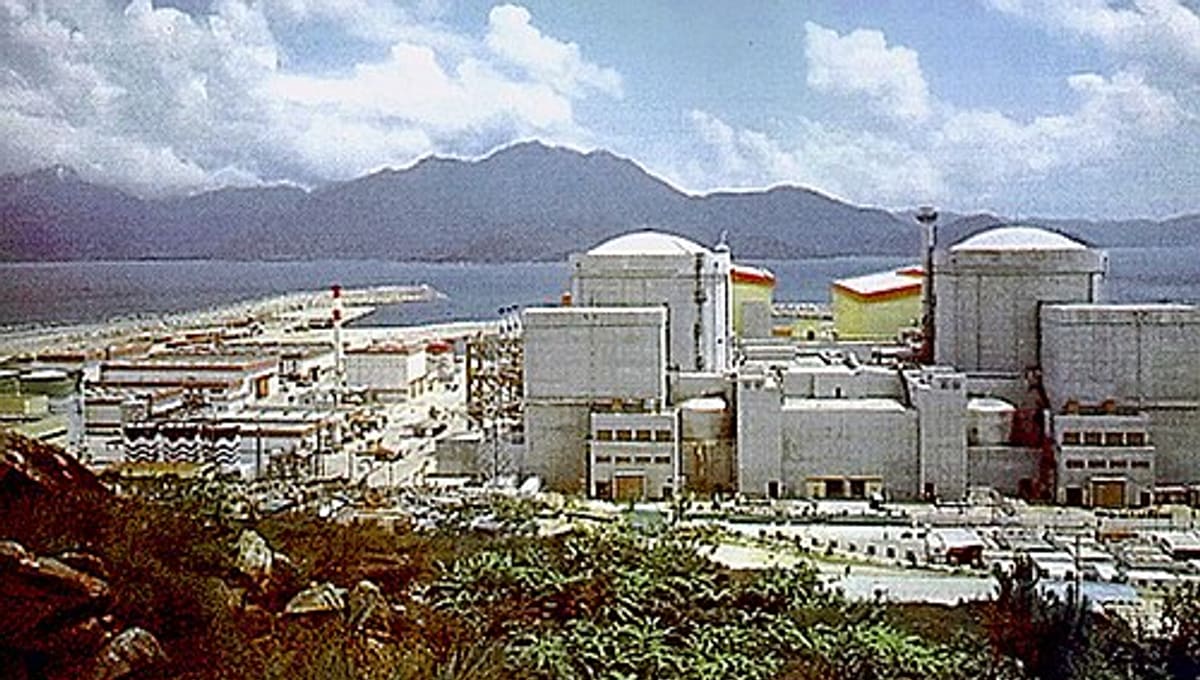
Image: Wikimedia Commons
The Daya Bay Reactor Neutrino Experiment was a large multinational physics facility near Hong Kong, built to study one of the most elusive particles in nature: the neutrino.
About the Daya Bay Reactor Neutrino Experiment
Daya Bay was a China-based particle physics project that ran from 2011 to 2020, bringing together researchers from China, Chile, the United States, Taiwan, Russia and the Czech Republic. The US side of the collaboration was funded by the Department of Energy's Office of High Energy Physics.
Instruments & research
The experiment used eight antineutrino detectors, each filled with 20 tons of liquid scintillator and surrounded by photomultiplier tubes, clustered across three underground locations near six nuclear reactors. The goal was to measure neutrino oscillations and probe CP violation in the lepton sector, questions central to understanding why the universe is made of matter. An affiliated laboratory in Hong Kong's Aberdeen Tunnel measured cosmic-ray-produced neutrons that could otherwise interfere with the results.
Location & getting there
The site sits roughly 52 kilometres northeast of Hong Kong and 45 kilometres east of Shenzhen, on the Chinese mainland in Guangdong province.
Visiting
Daya Bay is a working scientific facility built into underground halls next to an active nuclear power complex, not a public observatory, so casual visits are not part of its normal operation. Check official Chinese science-outreach channels for any organised tours before planning a trip.
See your named star from here
Daya Bay studies particles from deep underground rather than stars in the sky, but if this region has sparked your curiosity about the cosmos, you can still name a star and explore the star catalogue to find one visible from anywhere in Asia.
Opening hours and public-visit programs vary by season. Check the official website and Google Maps for current times before you travel.
Institutional and reference sources used to verify this guide.
Satellite imagery: Esri, Maxar, Earthstar Geographics

 216 kmResearch
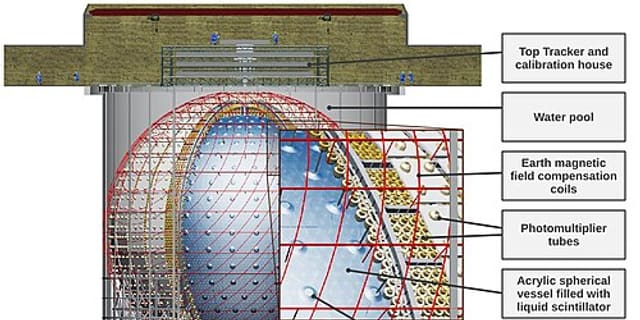
Jiangmen Underground Neutrino Observatory
neutrino experiment in Jiangmen, China

 655 km
 958 km
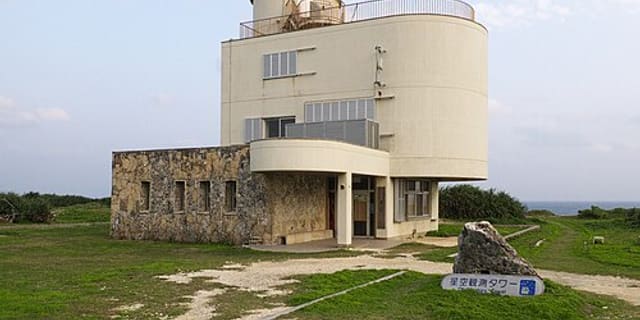
Haterumajima Astronomical Observatory Tower
observatory on Hateruma Island, Okinawa, Japan