
Catania Astrophysical Observatory

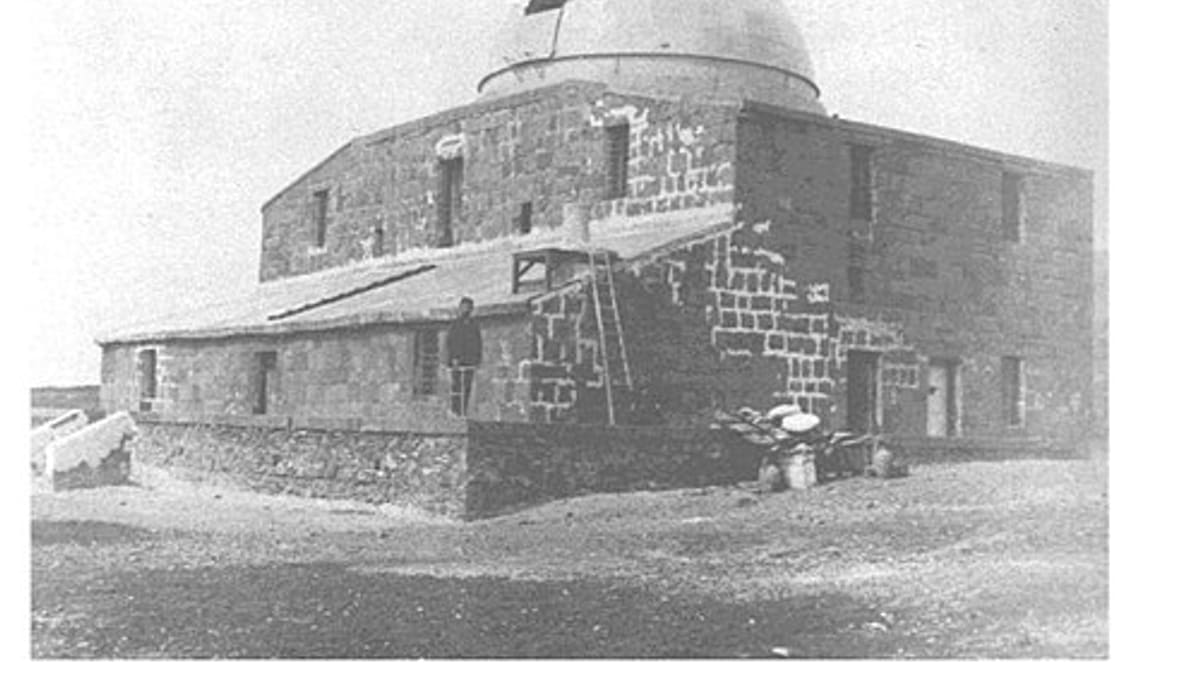
Image: Wikimedia Commons
Catania Astrophysical Observatory, known in Italian as Osservatorio Astrofisico di Catania, is an astronomical observatory in the city of Catania on the island of Sicily, southern Italy.
About Catania Astrophysical Observatory
The observatory sits at an elevation of about 1,735 metres and is based at Via Santa Sofia 78 in Catania. It is operated by INAF, Italy's National Institute for Astrophysics, and forms one of twelve observatories in the INAF network across the country.
History
Astronomical research in Catania traces back to the founding of the University of Catania in 1434, making it one of the longest-running centres of astronomy study in Italy. The observatory has maintained nearly a century of uninterrupted solar activity observations, a remarkable record of continuous data collection.
Telescopes & research
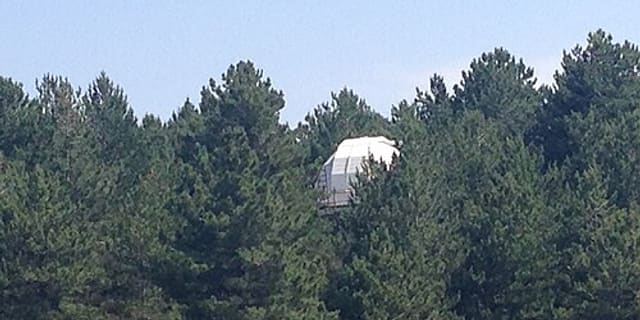
Research at Catania spans solar physics, stellar physics and cosmology. Beyond the main site in the city, the observatory also runs the Serra La Nave observing station on the slopes of Mount Etna, taking advantage of the volcano's altitude and clearer air for observations. The observatory maintains strong public education and outreach efforts, including guided visits.
Location & getting there
Catania sits on the eastern coast of Sicily, Italy, in the shadow of Mount Etna. Use the map above for exact coordinates and directions to the observatory.
Visiting Catania Astrophysical Observatory
The observatory runs guided visits as part of its public outreach programme. Check the official INAF Catania website for current tour schedules and booking details before you go.
See your named star from here
An observatory with centuries of astronomical tradition and a mountain outpost on Etna is well placed to point a telescope at any coordinates in the sky, including a named star's. Name a star to get its precise position, then explore the catalogue to see it for yourself.
Opening hours and public-visit programs vary by season. Check the official website and Google Maps for current times before you travel.
Institutional and reference sources used to verify this guide.
Satellite imagery: Esri, Maxar, Earthstar Geographics

 20 km
20 km
 164 km