
Brazil National Observatory

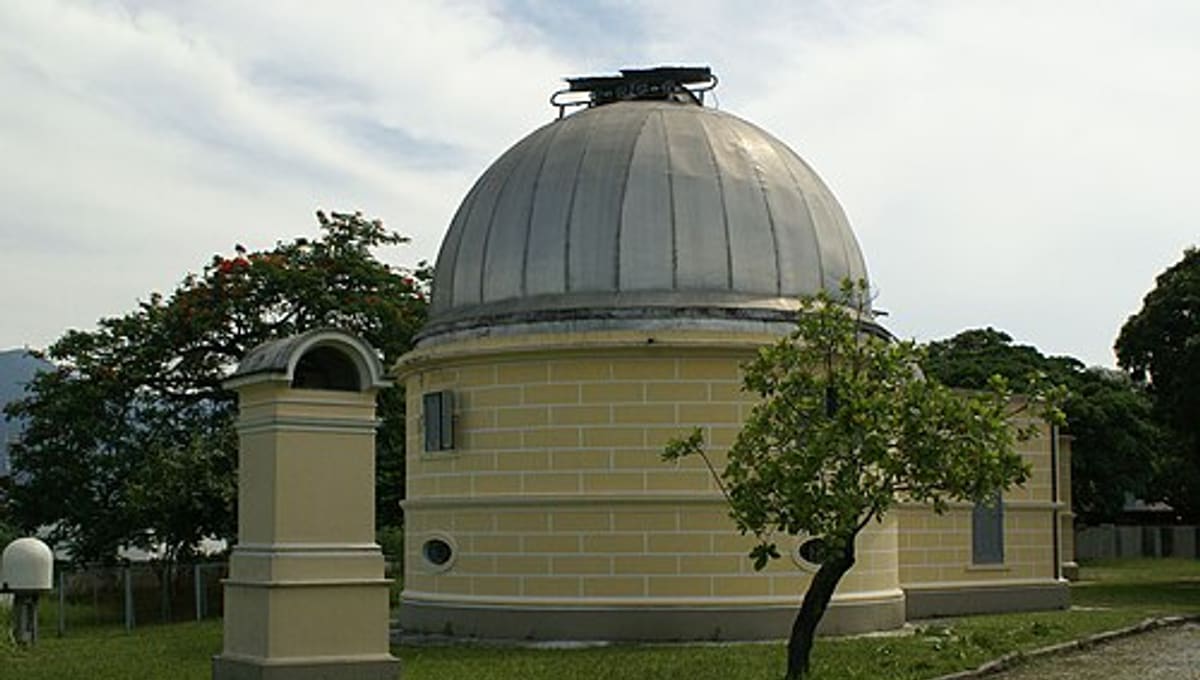
Image: Wikimedia Commons
The National Observatory, known in Portuguese as the Observatório Nacional, has stood in Rio de Janeiro since 1827, making it one of Brazil's oldest scientific institutions.
About the National Observatory
Founded by Emperor Pedro I on 15 October 1827, the observatory was originally created to guide geographic surveying across Brazil and to teach navigation. Today it remains responsible for Brazil's official time and carries out research in astronomy, astrophysics and geophysics, alongside postgraduate teaching to master's and doctoral level. The grounds are shared with the Museum of Astronomy and Affiliated Sciences (MAST), which grew out of the observatory's collections and now runs its public-facing exhibitions and sky-watching programmes.
History
Nearly two centuries of continuous operation have made the observatory a touchstone of Brazilian science, tracing a line from its founding under the empire through to its present role in national timekeeping and postgraduate astrophysics research.
Location & getting there
The observatory sits within Rio de Janeiro, Brazil's second-largest city, on grounds it shares with the MAST museum, making it accessible as part of a city visit rather than a remote expedition.
Visiting the National Observatory
Public visits go through the MAST museum on the same site, with a permanent exhibition on astronomy, geography and history, an inflatable planetarium, and sky-observation evenings. Typical opening hours run Tuesday, Thursday and Friday from 9am to 5pm, Wednesday from 9am to 8pm, Saturday from 2pm to 8pm, and holidays from 2pm to 6pm; a "Sky of the Month" session often begins around 5:30pm. Confirm current hours and booking details on the museum's website before visiting.
See your named star from here
MAST's evening sky-observation sessions are a natural place to look for a named star above Rio de Janeiro. Check the exact right ascension and declination in the star catalogue and bring them along to a public observing night.
Opening hours and public-visit programs vary by season. Check the official website and Google Maps for current times before you travel.
Institutional and reference sources used to verify this guide.
Satellite imagery: Esri, Maxar, Earthstar Geographics

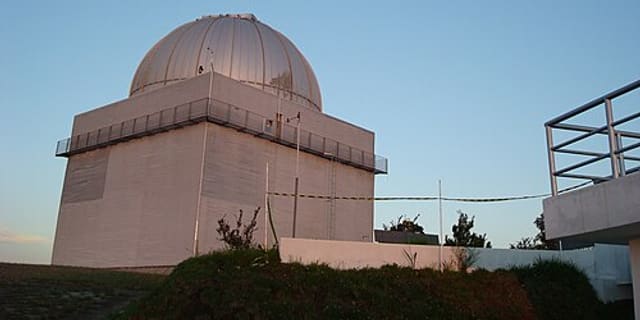 245 km
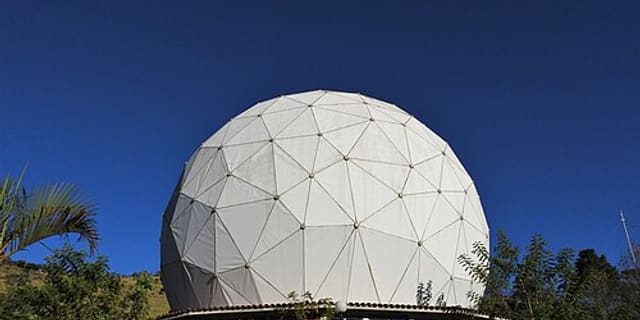 343 kmRadio