
Pistoia Mountains Astronomical Observatory

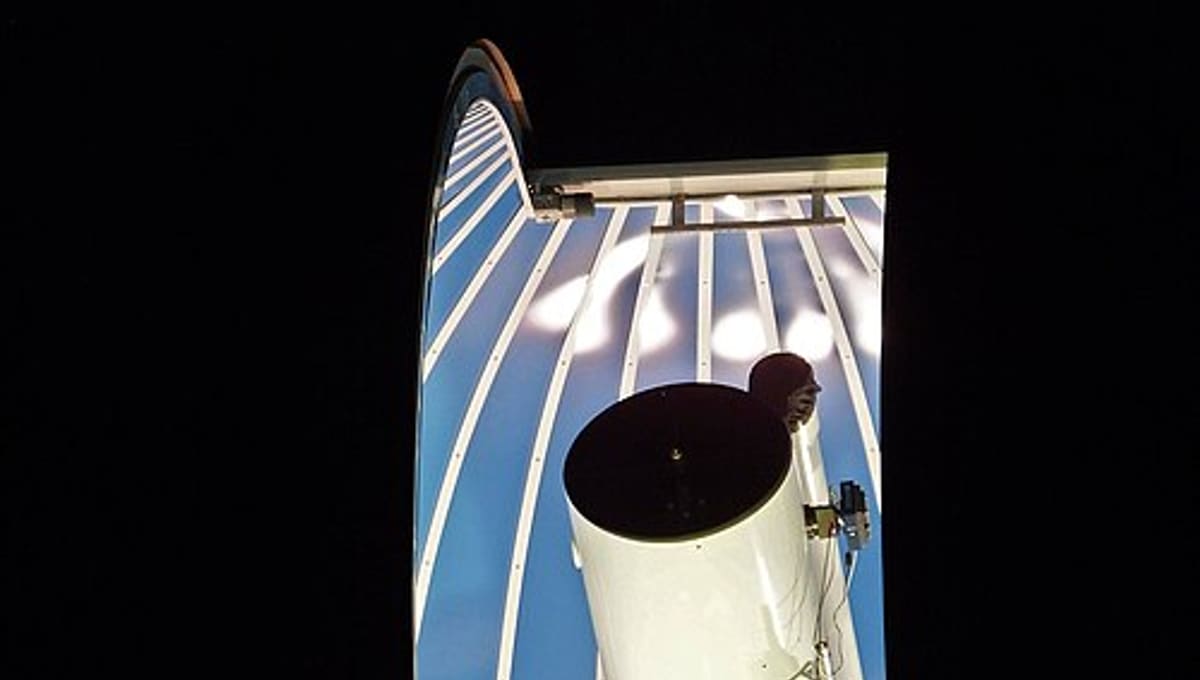
Image: Wikimedia Commons
Pistoia Mountains Astronomical Observatory, also known as the San Marcello Observatory, has been scanning the Tuscan skies from San Marcello Piteglio since 1990, and holds a notable place in Italian astronomy history.
About Pistoia Mountains Astronomical Observatory
Also called the Pian dei Termini Observatory, this site is home to the Gruppo Astrofili Montagna Pistoiese, a group of amateur astronomers. It uses 0.4-metre and 0.6-metre Newton-Cassegrain telescopes for observation and research.
History
Founded in 1990, the observatory quickly built a reputation beyond amateur astronomy circles. In 1994, its team discovered Italy's first known exoplanet, named Sanmarcello, and the observatory also identified the first near-Earth object (NEO) recorded in Italy.
Telescopes & research
The observatory's 0.4-metre and 0.6-metre Newton-Cassegrain telescopes support the ongoing work of the Gruppo Astrofili Montagna Pistoiese, whose members have included founder Luciano Tesi and Paolo Bacci.
Location & getting there
The observatory is located in San Marcello Piteglio, in the mountains of Tuscany, central Italy, a setting that offers the elevation and clear air suited to serious amateur observation.
Visiting Pistoia Mountains Astronomical Observatory
Public day and night visits are available at the observatory. Check ahead for current visiting times, as amateur-run observatories often schedule sessions around clear-sky forecasts.
See your named star from here
An observatory that once found Italy's first exoplanet is a fine place to search out the coordinates of a star you've named through Star Register. Look up its exact position in the star catalogue before you go.
Opening hours and public-visit programs vary by season. Check the official website and Google Maps for current times before you travel.
Institutional and reference sources used to verify this guide.
Satellite imagery: Esri, Maxar, Earthstar Geographics