
Murchison Radio-astronomy Observatory

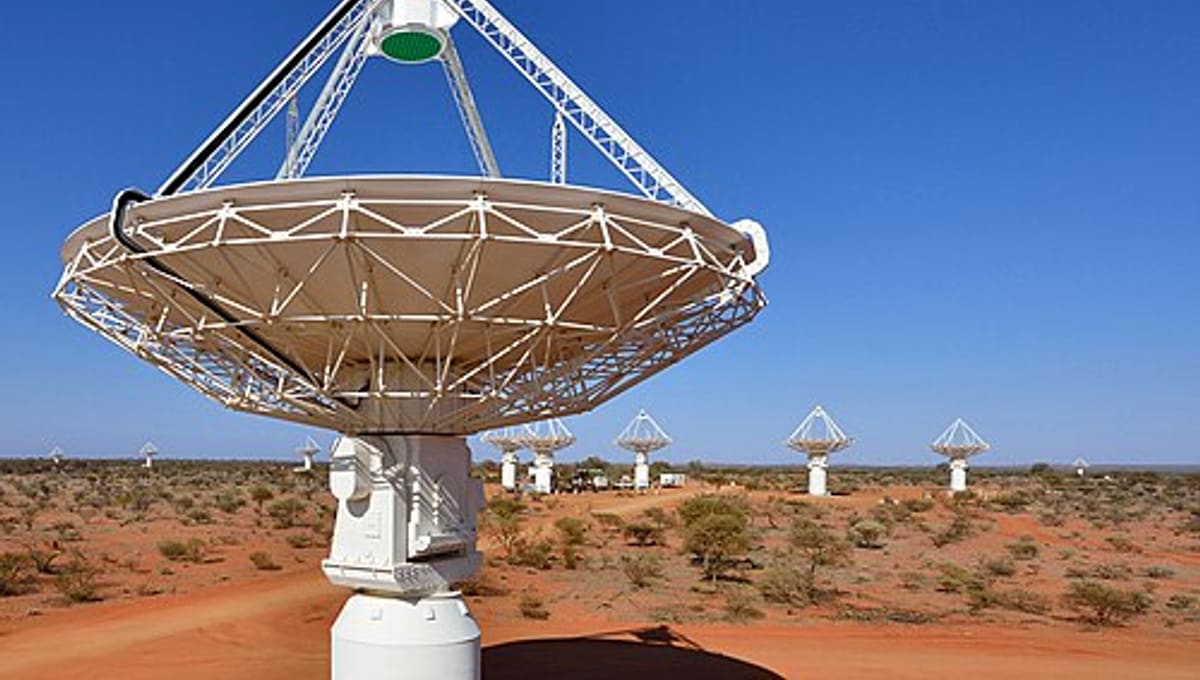
Image: Wikimedia Commons
Deep in the Western Australian outback, the Murchison Radio-astronomy Observatory sits inside one of the most radio-quiet places on Earth, hosting instruments built for the international Square Kilometre Array project.
About Murchison Radio-astronomy Observatory
Officially known as Inyarrimanha Ilgari Bundara, the CSIRO Murchison Radio-astronomy Observatory, the site was established by CSIRO, Australia's national science agency, in 2005 and formally opened in 2009. It sits on Boolardy Station in the Murchison Shire of Western Australia, roughly 800 kilometres north of Perth, on the traditional lands of the Wajarri people, within a designated radio quiet zone that protects its instruments from interference.
Telescopes & research
The observatory is one of two core sites for the international Square Kilometre Array (SKA) project, alongside a counterpart in South Africa. It already hosts the Murchison Widefield Array (MWA), a low-frequency radio telescope operating between 80 and 300 MHz, and the Australian Square Kilometre Array Pathfinder (ASKAP), along with smaller experiments including CORE, EDGES, PAPER and SCOPE. Construction of the main SKA-Low telescope at the site began in December 2022.
Location & getting there
The observatory lies deep in the Murchison Shire of Western Australia, roughly 800 kilometres north of Perth, in a remote outback setting specifically chosen for its radio silence.
Visiting Murchison Radio-astronomy Observatory
Its remote location and status as a protected radio quiet zone mean this isn't a casual visitor destination. If you're interested in the SKA project or the observatory's instruments, check the Murchison Widefield Array's official website for public information and any visitor programs.
See your named star from here
Murchison's telescopes listen to radio waves rather than visible light, so they aren't the tool for spotting a named star yourself - but the observatory's remote, radio-quiet outback location sits under some of the darkest optical skies in Australia too. Look up your named star's coordinates in our catalogue for use with a regular telescope, or explore our naming packages.
Opening hours and public-visit programs vary by season. Check Google Maps for current times before you travel.
Institutional and reference sources used to verify this guide.
Satellite imagery: Esri, Maxar, Earthstar Geographics

 589 km
 592 km