
GOTO-N

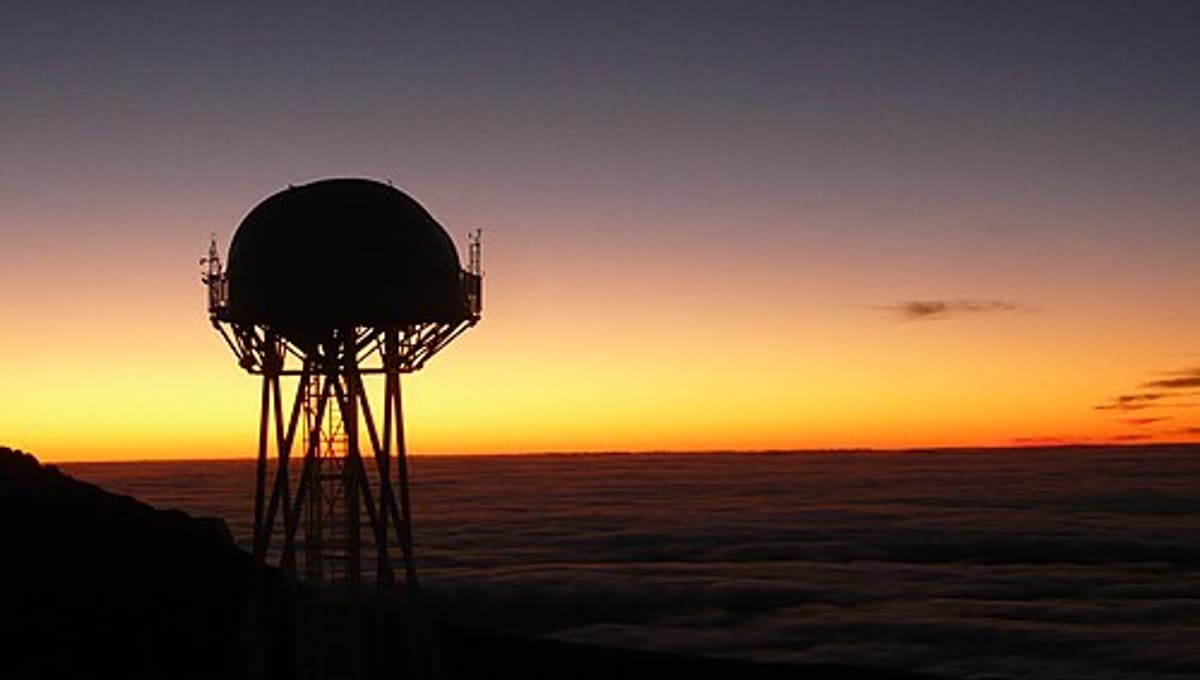
Image: Wikimedia Commons
GOTO-N is the northern site of the GOTO (Gravitational-wave Optical Transient Observer) telescope network, located at the Roque de los Muchachos Observatory on La Palma in Spain's Canary Islands.
About GOTO-N
GOTO-N consists of two mounts, each carrying eight 0.4-metre telescopes, for 16 telescopes in total at the site. Each mount covers a 44 square degree field of view, giving the pair a combined 88 square degrees, allowing the array to scan enormous areas of sky quickly. The project is run by an international consortium led by the University of Warwick and including the Instituto de Astrofísica de Canarias, Monash University, and the Universities of Sheffield, Leicester, and Armagh Observatory, among others.
Telescopes & research
GOTO-N's purpose is to detect the faint optical counterparts of gravitational wave events picked up by detectors such as LIGO and Virgo. The array surveys the entire visible sky roughly every two to three days and can respond to alerts within about a minute, making it one of the fastest-reacting optical facilities built for this kind of transient astronomy.
Location & getting there
The Roque de los Muchachos Observatory sits atop La Palma in the Canary Islands, one of the world's premier astronomical sites thanks to its altitude, clear air, and protected dark skies, and home to several major international telescopes alongside GOTO-N.
Visiting GOTO-N
Roque de los Muchachos Observatory hosts visitor programmes for some of its telescopes; check the Instituto de Astrofísica de Canarias or GOTO project websites for current access information before planning a visit.
See your named star from here
GOTO-N was built to catch fleeting flashes of light tied to precise coordinates in the sky, which is exactly the kind of tracking that makes a named star findable too. From La Palma's dark mountaintop, the coordinates of a star named through Star Register can be traced just as this array traces gravitational-wave counterparts. Name a star and look up its position in our catalogue.
Opening hours and public-visit programs vary by season. Check Google Maps for current times before you travel.
Institutional and reference sources used to verify this guide.
Satellite imagery: Esri, Maxar, Earthstar Geographics

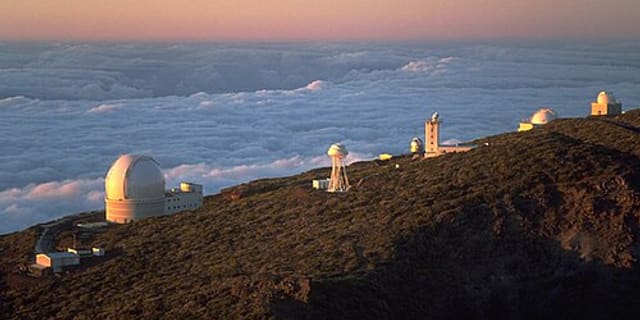 under 1 km
Nordic Optical Telescope observatory
astronomical observatory complex at Roque de los Muchachos Observatory

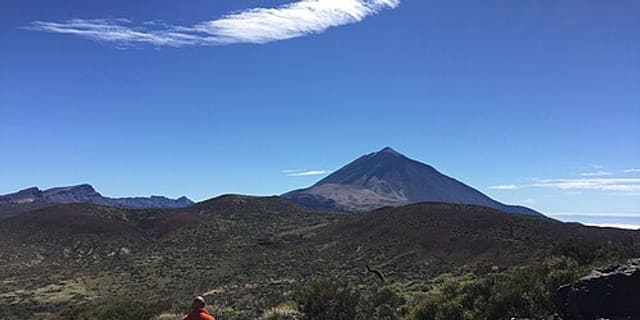 143 km