
Bochum Observatory

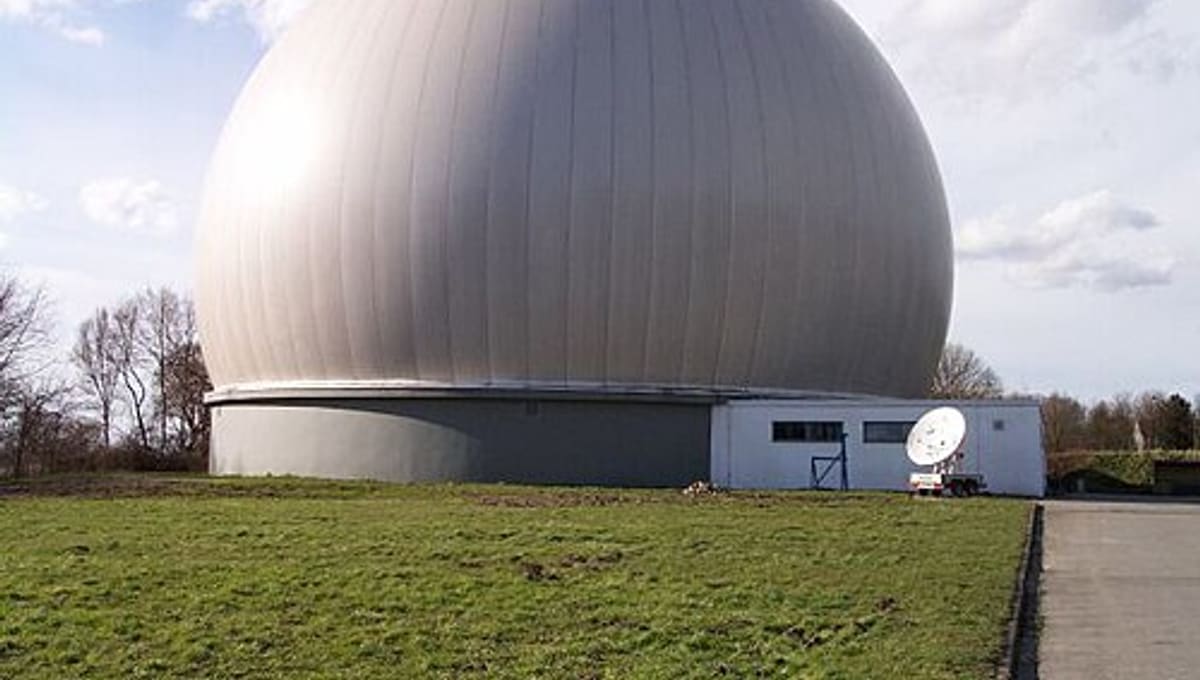
Image: Wikimedia Commons
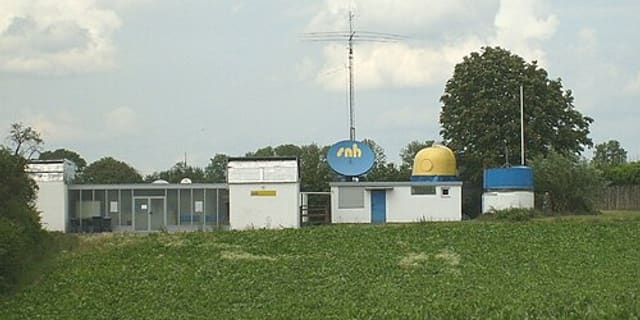
Known to locals as Cape Kaminski, Bochum Observatory grew from a private astronomy initiative into a radio astronomy institute after it picked up signals from the first satellite ever launched.
About Bochum Observatory
Bochum Observatory is a research institute in Bochum, North Rhine-Westphalia, Germany, focused on radio astronomy and environmental research. It began through a private initiative rather than as a university or state institution.
History
The observatory was founded in 1946 by Heinz Kaminski as a popular observatory. It gained international attention in 1957 when it detected radio signals from Sputnik 1, the Soviet Union's pioneering satellite, an achievement that helped it grow into the Institute for Space Research. In March 2009, its 20-metre parabolic antenna became the first successful planetary radar in western Europe after detecting radar echoes bounced off Venus.
Telescopes & research
The observatory's landmark Radom houses a radio telescope still used for space-related projects and public exhibitions, alongside the 20-metre dish responsible for the 2009 Venus radar detection.
Location & getting there
Bochum Observatory sits within the city of Bochum in North Rhine-Westphalia, western Germany, easily reached from the wider Ruhr metropolitan area.
Visiting Bochum Observatory
The permanent exhibition is open Tuesday to Thursday from 11:00 to 16:00, Friday from 11:00 to 14:00, and Sunday from 11:00 to 16:00 in winter (November–March) or 11:00 to 17:00 in summer (April–October); groups can also arrange weekday visits. From October to March the observatory runs public stargazing evenings every Wednesday from 19:30 to 21:00, weather permitting.
See your named star from here
Bochum's Wednesday-evening stargazing sessions are a fitting place to try to spot the star named in your honour. Bring its coordinates from the catalogue after you name a star, or browse our full observatories directory for other facilities offering public viewing nights.
Opening hours and public-visit programs vary by season. Check the official website and Google Maps for current times before you travel.
Institutional and reference sources used to verify this guide.
Satellite imagery: Esri, Maxar, Earthstar Geographics

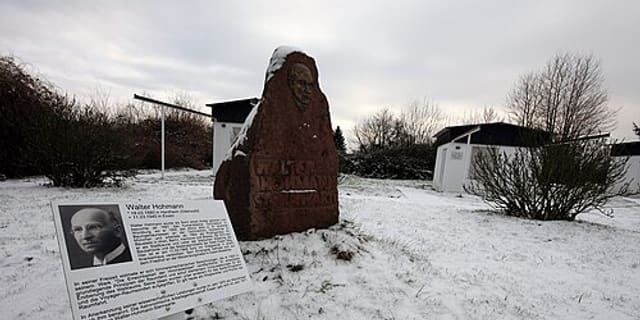 15 km
15 km
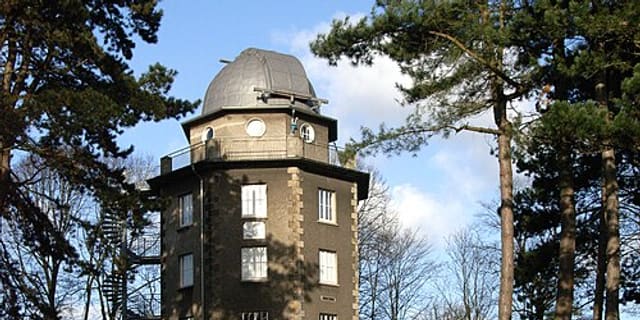 22 kmPublic
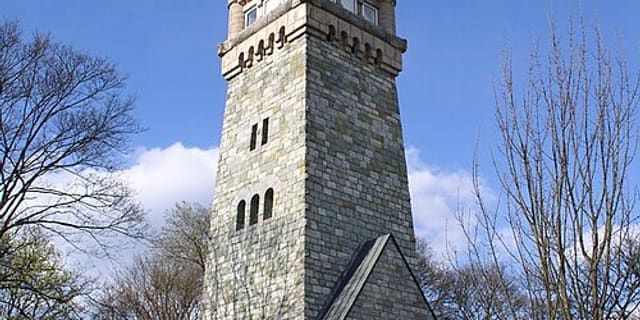 27 kmPublic
 28 kmPublic