
Astronomical Observatory in Belgrade

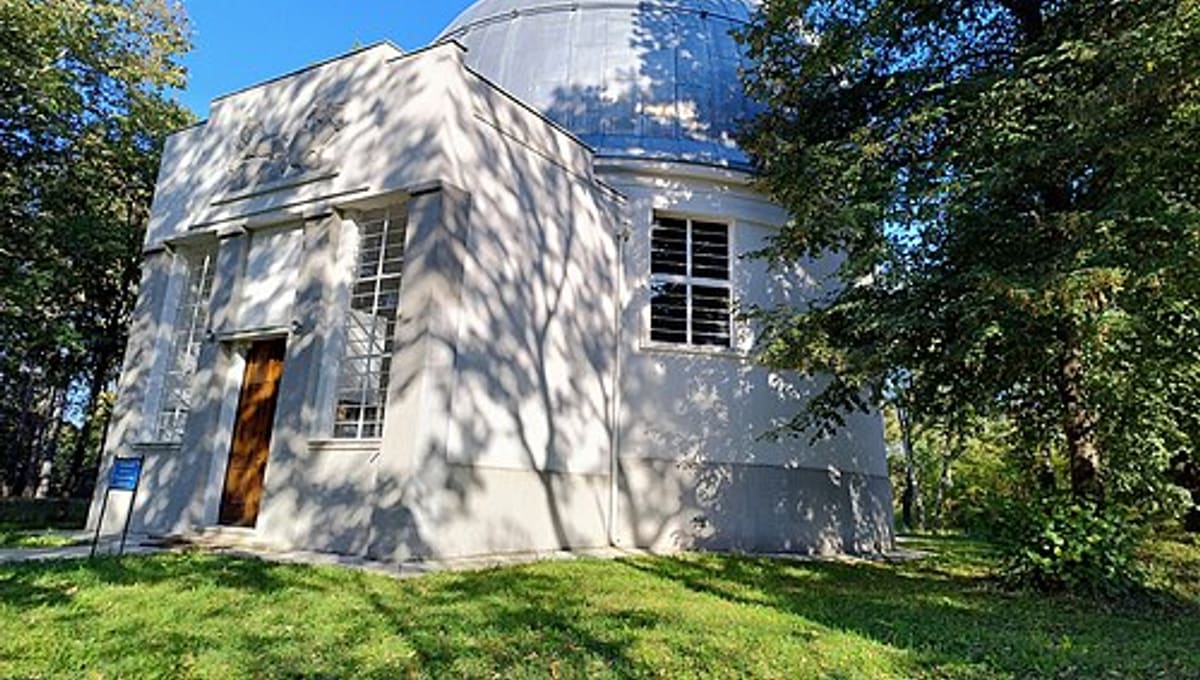
Image: Wikimedia Commons
In the Zvezdara Forest on the eastern edge of Belgrade, the Astronomical Observatory has been charting Serbian skies since the 1880s, and its historic Great Refractor still draws visitors on open days.
About the Belgrade Observatory
The Belgrade Observatory sits at 253 metres elevation among the trees of Zvezdara Forest, home to one of the largest and most complete astronomical libraries in Serbia. Its Great Refractor is the largest telescope of its kind in the Balkans.
History
The observatory was founded in 1887, making it one of the older astronomical institutions in southeastern Europe, and it has remained Serbia's principal centre for professional astronomy ever since.
Telescopes & research
The Great Refractor is the observatory's signature instrument and a landmark of the site, alongside the observatory's extensive historical library of astronomical texts and records.
Location & getting there
The observatory is set within the Zvezdara Forest in eastern Belgrade, Serbia, a green, quiet setting that contrasts with the busy city just a short distance away.
Visiting the Belgrade Observatory
Open Days are held on the last Saturday of each month from April to October, with free guided tours at 11:00 and 13:00 lasting about an hour. Visitors get an expert walkthrough of the observatory's history and a close look at the Great Refractor building, though tours run during the day rather than as night-time viewing sessions; for that reason, and for safety, children under 15 are not permitted inside the Great Refractor building. To arrange a visit, contact the observatory at [email protected] or call ahead.
See your named star from here
The precise coordinates behind every star named through our register - its right ascension and declination - are exactly what a telescope like Belgrade's Great Refractor needs to find it in the night sky. Name a star as a gift, or browse our star catalogue.
Opening hours and public-visit programs vary by season. Check the official website and Google Maps for current times before you travel.
Institutional and reference sources used to verify this guide.
Satellite imagery: Esri, Maxar, Earthstar Geographics