
Arcetri Observatory

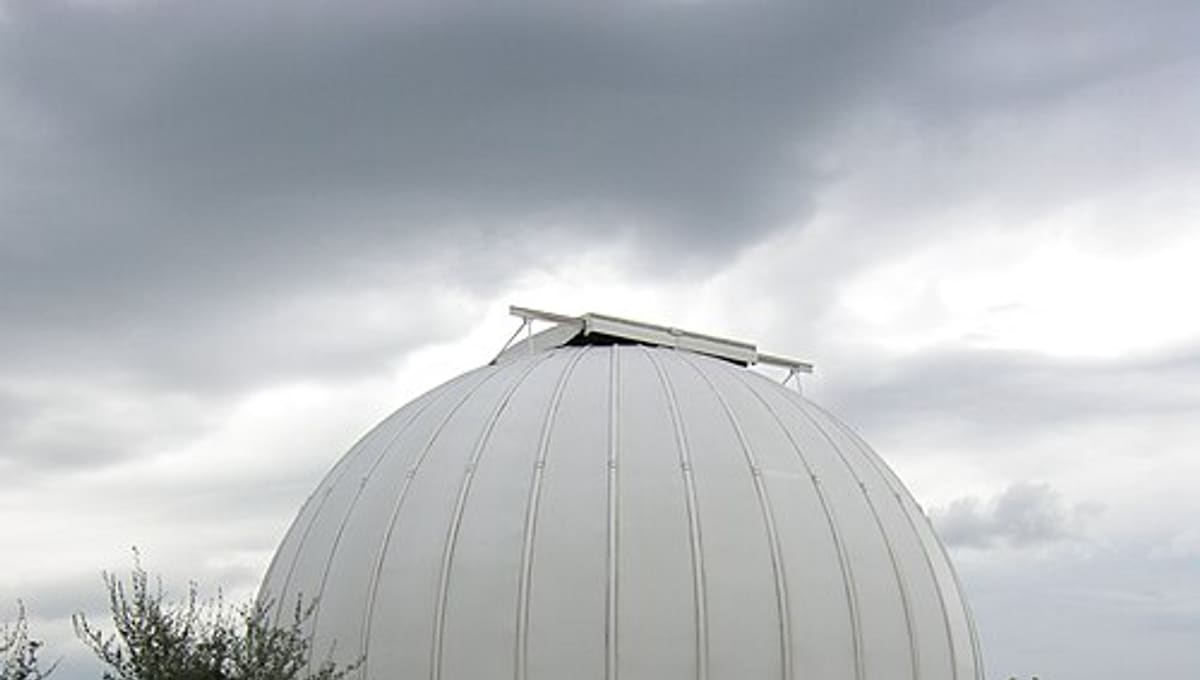
Image: Wikimedia Commons
On a quiet hillside above Florence, Arcetri Observatory has watched the sky since the nineteenth century, just steps from Villa Il Gioiello, where Galileo Galilei lived out his final years.
About Arcetri Observatory
The Arcetri Astrophysical Observatory (Osservatorio Astrofisico di Arcetri) is part of Italy's National Institute for Astrophysics (INAF). Its astronomers work across theoretical and observational astrophysics, and the site is also known for designing and building astronomical instrumentation used at major telescopes around the world.
History
Founded in 1869, Arcetri Observatory sits in the hills of Arcetri on the southern edge of Florence, close to the villa where Galileo spent 1631 to 1642 under house arrest. The location has made Arcetri as much a pilgrimage site for the history of astronomy as a working research centre.
Telescopes & research
Arcetri staff have contributed instrumentation to some of the world's most powerful telescopes, including the twin 8.4m mirrors of the Large Binocular Telescope (LBT), the MMT's 6.5m telescope, the 3.5m Telescopio Nazionale Galileo, the adaptive secondary mirror used on the Very Large Telescope (VLT), and the 1.5m TIRGO infrared telescope at Gornergrat in Switzerland. On site, the historical Amici telescope is still used for public and educational observing.
Location & getting there
Arcetri sits in the hills just south of central Florence, Italy, a short drive or bus ride from the city centre, within easy reach for anyone visiting Tuscany.
Visiting Arcetri Observatory
The observatory runs a public outreach programme with several ways to visit. Schools can book daytime tours on weekday mornings, while organised groups of 15 to 25 people can arrange evening visits that typically include a look through the historical Amici telescope. Arcetri also holds "Open Observatory" evenings around the first quarter moon and an annual children's open day called Bambineide. Because the calendar changes with the seasons and ongoing work at the site, it's best to check the observatory's official website before planning a visit.
See your named star from here
The coordinates that come with every named star in our register are the same kind of data astronomers use to point telescopes like Arcetri's own Amici instrument at a chosen patch of sky. Name a star as a gift, or browse existing entries in our star catalogue.
Opening hours and public-visit programs vary by season. Check the official website and Google Maps for current times before you travel.
Institutional and reference sources used to verify this guide.
Satellite imagery: Esri, Maxar, Earthstar Geographics

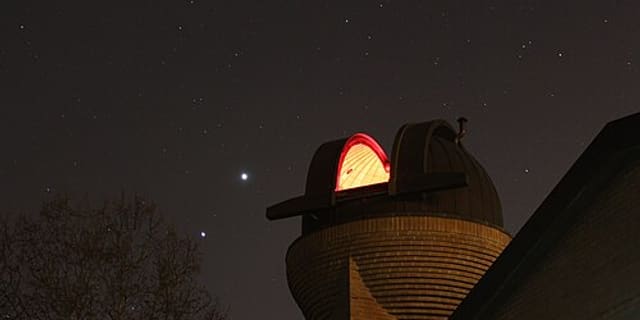 49 km
49 kmAstronomical observatory of Siena observatory
astronomical observatory in Tuscany, Italy